43 labels and selectors in kubernetes
Kubernetes Error Codes: Selector Does Not Match Template ... The Kubernetes documentation explains the role of the `selector` field: > The `selector` field defines how the deployment finds which Pods to manage. You select a label that is defined in the Pod template. However, more sophisticated selection rules are possible, as long as the Pod template itself satisfies the rule. Kubernetes Core Concepts - Labels, Selectors and Annotations What are Selectors in Kubernetes? Selectors are used to filter out objects based on their assigned Labels. Labels and Selectors goes hand in hand. For example Selectors will help us filter out objects like give all the application pods which are of type staging. Example syntax to define Selectors
Using Kubernetes Annotations, Labels, and Selectors Annotations, labels, and selectors are used to manage metadata attached to your Kubernetes objects. Annotations and labels define the data while selectors provide a way to query it. Here are the differences between the three concepts, what they're designed for, and how you can use them to manage your resources. Annotations

Labels and selectors in kubernetes
Learn about pod labels and selectors - Civo.com Now, labels are defined in the metadata section. So there is a field called label and is the location where the labels are written. What are pod selectors? Now, another part where labels are used is the Selector Section. So there's a field called selectors in most of the Kubernetes objects, so they select on the basis of the labels. So, for ... Kubernetes Labels | Labels And Annotations In Kubernetes Label selectors are used for filter Kubernetes objects based on a set of labels. Selectors use a simple Boolean language. There are two kinds of selectors: Equality based and Set based. Equality based. Equality-based selectors allow filtering by label keys and values. Three kinds of operators are used: =, ==, != Example: If we wanted to list ... Well-Known Labels, Annotations and Taints | Kubernetes Well-Known Labels, Annotations and Taints. Kubernetes reserves all labels and annotations in the kubernetes.io namespace. This document serves both as a reference to the values and as a coordination point for assigning values.
Labels and selectors in kubernetes. devops - What is the difference between Label and Selector ... Labels can be used to organize and to select subsets of objects. Via a label selector, the client/user can identify a set of objects. The label selector is the core grouping primitive in Kubernetes. In a nutshell label selectors depend on labels to select a group of resources such as pods. Assigning Pods to Nodes | Kubernetes Apr 14, 2022 · Pods are namespaced objects in Kubernetes, so Pod labels also implicitly have namespaces. Any label selectors for Pod labels should specify the namespaces in which Kubernetes should look for those labels. You express the topology domain (X) using a topologyKey, which is the key for the node label that the system uses to denote the domain. matchLabels, labels, and selectors explained in detail ... matchLabels, labels, and selectors explained in detail, for beginners. Prequisites: Know what a pod, service, and deployment are. Ok, this is pretty simple, but now one has lain it out for me, so ... A Kubernetes Guide for Labels and Selectors | Datree.io Labels can be used by both Kubernetes and homo-sapiens to organize and to select subsets of objects. When dealing with Kubernetes config files, labels are always added under the "metadata" section of the manifest. Labels vs annotations Annotations are also key-value pairs that are attached to objects and are used to describe Kubernetes resources.
Learn Kubernetes Labels By Following Examples | Densify Kubernetes labels example use cases. Now that we've covered the basics of working with K8s labels, let's take a look at some common use cases. Services and Deployments. The most common use case for labels is using label selectors in Kubernetes services and deployment objects. A service object targets pods based on label selectors. Labels and Selectors | Kubernetes Labels and Selectors | Kubernetes Labels are key/value pairs that are attached to objects, such as pods. Labels are intended to be used to specify identifying attributes of objects that are meaningful and relevant to users, but do not directly imply semantics to the core system. Labels can be used to organize and to select subsets of objects. Best Practices Guide for Kubernetes Labels and Annotations ... The hidden gem of Kubernetes labels is that they are heavily used with the Kubernetes itself, such as scheduling pods to nodes, managing replicas of deployments, and network routing of services. Let’s look at some labels and how they are used as selectors in Kubernetes by checking the spec of the kubernetes-dashboard service: Kubernetes labels, selectors & annotations with examples ... Labels give us another level of categorization, which becomes very helpful in terms of everyday operations and management. Labels are attached to Kubernetes objects and are simple key: value pairs. You will see them on pods, replication controllers, replica sets, services, and so on.
How does Selector Works in Kubernetes? - EDUCBA Following are the types of kubernetes selector. 1. Label Selector We apply labels to the Kubernetes objects to organize or select a group of objects. Labels can be attached at creation time or added and modified at any time. Labels are case sensitive. We can use Label Selector using the option '-l'. Labels and Selectors - Kubernetes Label selectors. Unlike names and UIDs, labels do not provide uniqueness. In general, we expect many objects to carry the same label(s). Via a label selector, the client/user can identify a set of objects. The label selector is the core grouping primitive in Kubernetes. The API currently supports two types of selectors: equality-based and set ... Understanding Labels, Selectors and Annotations in Kubernetes There are two kinds of selectors. Equality-based and Set-based selectors. Equality-based requirement Equality based selectors help you filter resources equal to a certain key and value. You would following operators for equality based-requirements: = == != Example # this command would give us all resources with the env =prod label Kubernetes - Labels & Selectors - Tutorialspoint Labels selector are core grouping primitive in Kubernetes. They are used by the users to select a set of objects. Kubernetes API currently supports two type of selectors − Equality-based selectors Set-based selectors Equality-based Selectors They allow filtering by key and value. Matching objects should satisfy all the specified labels.
What are Kubernetes Labels and Label Selectors? - YouTube
Label Selector to match if label exists · Issue #5578 ... The documentation for labels.Parse shows that an "exists" Selector can be created like this: s, err := labels.Parse("mylabel") But this does not match labels unless there is also a matching value. I've also tried to use labels.NewRequire...
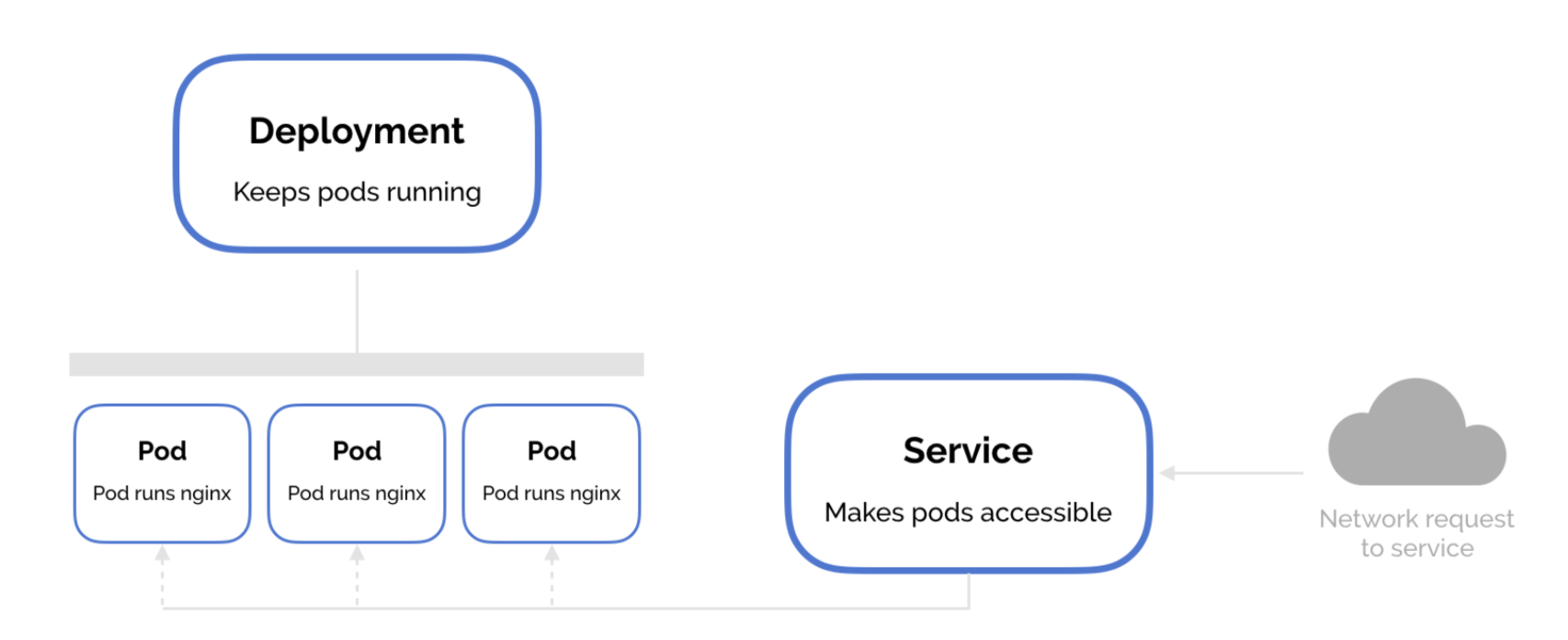
Kubernetes Deployment Tutorial with YAML - Kubernetes Book
Kubernetes Labels, Selectors, and Annotations | Getting ... Kubernetes Labels, Selectors, and Annotations | Getting Started November 5, 2021 Labels, Selectors, and Annotations each have their role to play when configuring and working with Kubernetes. Let's jump in. Cameron Pavey Full Stack Developer Overview Labels Selectors Annotations Conclusion Start for Free Start your free 14-day ContainIQ trial

Labels and Selectors in Kubernetes | Kirelos Blog
Kubernetes, Labels and Selectors - Automated Ramblings Kubernetes, Labels and Selectors. 📅 Nov 8, 2019 · ☕ 4 min read · ️ Brett Johnson. 🏷️ #Kubernetes; Labels are a key/value formatted peice of metadata attached to an object within Kubernetes. Labels provide additional information about the object with relevance to the consumer or object. For example, a label can specify hardware ...
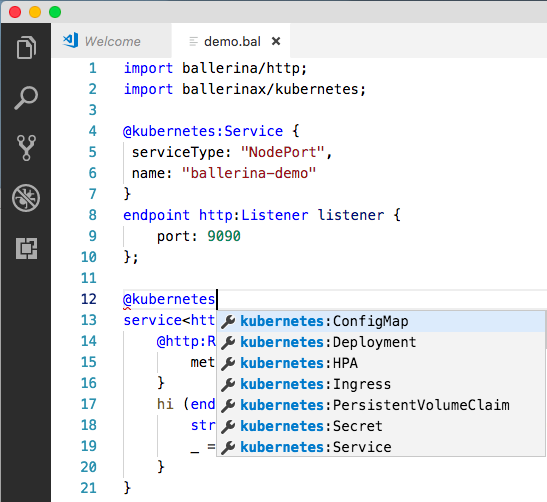
Generate Kubernetes YAML Right From Your App Code - DZone Microservices
Kubernetes: Usage and Understanding of Kubernetes Labels ... Labels are key/value pairs that are attached to objects, such as pods. Labels are intended to be used to specify identifying attributes of objects that are meaningful and relevant to users. Labels can be attached to objects at creation time and subsequently added and modified at any time Each object can have a set of key/value labels defined.

Scaling Microservices with Kubernetes
Labels and Selectors in Kubernetes | ANOTE.DEV Labels and Selectors in Kubernetes. Posted on December 7, 2020 December 7, 2020 by Jay Jo. Labels and Selectors are a standard method to group things together. Labels are key/value pairs that are attached to objects, such as pods. Labels are intended to be used to specify identifying attributes of objects that are meaningful and relevant to ...

Kubernetes Labels - rootdesdezero.com
How to Provision Node Labels and Selectors in Kubernetes ... (K8s) Labels selectors are core grouping primitive in Kubernetes. They are used by the users to select a set of objects. Kubernetes API currently supports two types of selectors − Equality-based...
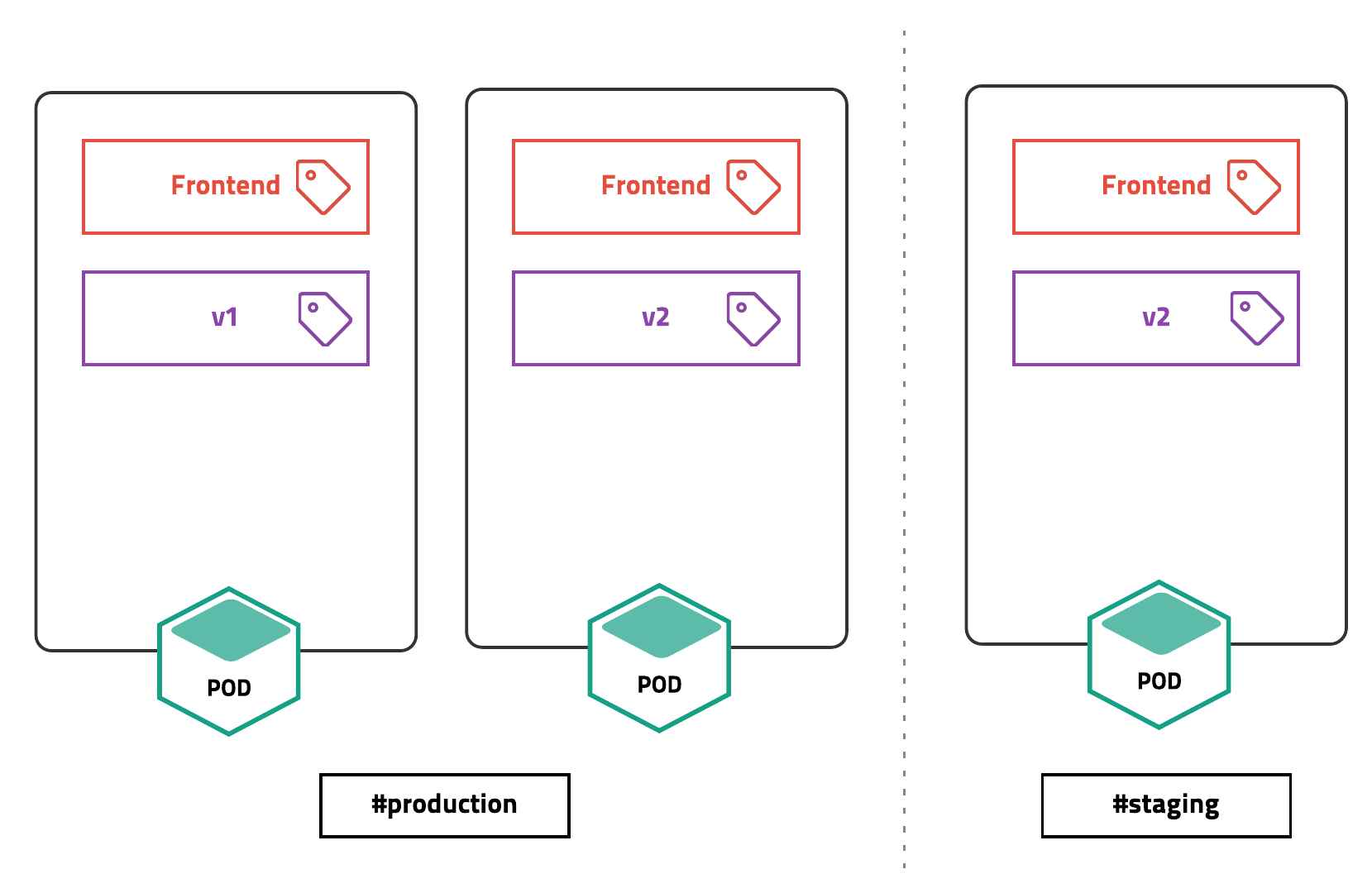
Kubernetes - Cornor’s Blog
kubernetes - service selector vs deployment selector ... The API currently supports two types of selectors: equality-based and set-based. A label selector can be made of multiple requirements which are comma-separated. In the case of multiple requirements, all must be satisfied so the comma separator acts as a logical AND (&&) operator. Reference

Kubernetes
Labels and Selectors | Kubernetes The label selector is the core grouping primitive in Kubernetes. The API currently supports two types of selectors: equality-based and set-based . A label selector can be made of multiple requirements which are comma-separated. In the case of multiple requirements, all must be satisfied so the comma separator acts as a logical AND ( &&) operator.
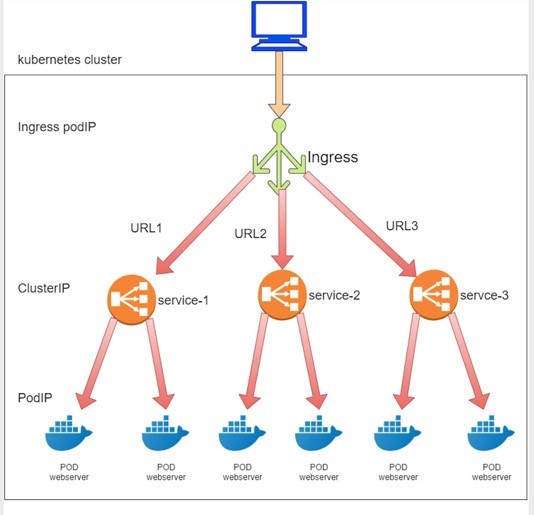
31 Kubernetes Pod Label - Labels 2021
Labels | Kubernetes Platform Labels are the mechanism used to organize Kubernetes objects. A label is a key-value pair with certain restrictions concerning length and allowed values but without any pre-defined meaning. You're free to choose labels as you see fit, for example, to express environments such as "this pod is running in production" or ownership, like "department X owns that pod".

Kubernetes Labels | Labels And Annotations In Kubernetes
Labels and Selectors in Kubernetes - HowtoForge To get Pods matching a label of our choice, we can "--selector" in the command as follows. kubectl get pods --selector environment=test kubectl get pods --selector app=nginx We can also use "-l" instead of "--selector" to get the Pods matching the label of our choice. kubectl get pods -l environment=test kubectl get pods -l environment=prod
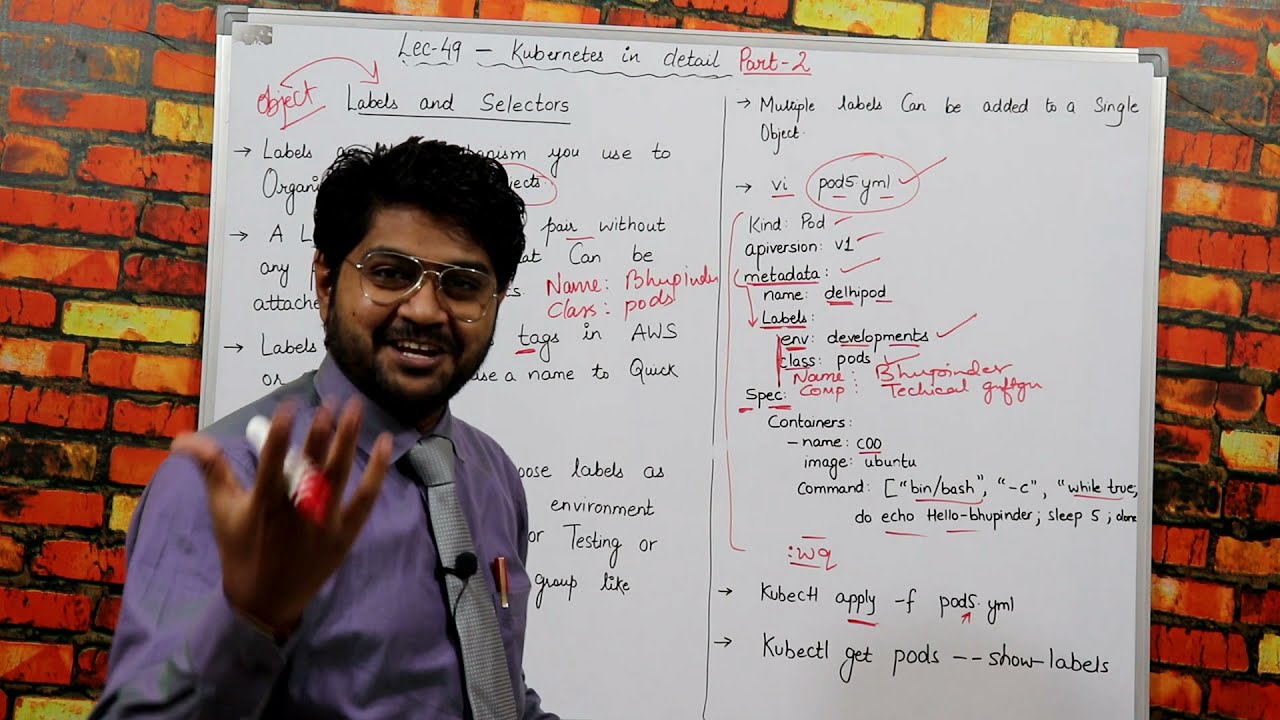
Labels,Selectors,ReplicationController and replicaset in Kubernetes-Hindi/Urdu| Lec-49 ...
Field Selectors | Kubernetes kubectl get services --all-namespaces --field-selector metadata.namespace!=default Chained selectors As with label and other selectors, field selectors can be chained together as a comma-separated list. This kubectl command selects all Pods for which the status.phase does not equal Running and the spec.restartPolicy field equals Always:
Do I need CI/CD and what tool should I choose? - Containerum - Medium
Labels and Selectors — Kubernetes on AWS 0.1 documentation Labels and Selectors ¶ Labels are key/value pairs that are attached to Kubernetes objects, such as pods (this is usually done indirectly via deployments). Labels are intended to be used to specify identifying attributes of objects that are meaningful and relevant to users. Labels can be used to organize and to select subsets of objects.
Where the Sky Meets the Sea: Understanding Container Orchestration with Kubernetes — Tech ...
Well-Known Labels, Annotations and Taints | Kubernetes Well-Known Labels, Annotations and Taints. Kubernetes reserves all labels and annotations in the kubernetes.io namespace. This document serves both as a reference to the values and as a coordination point for assigning values.
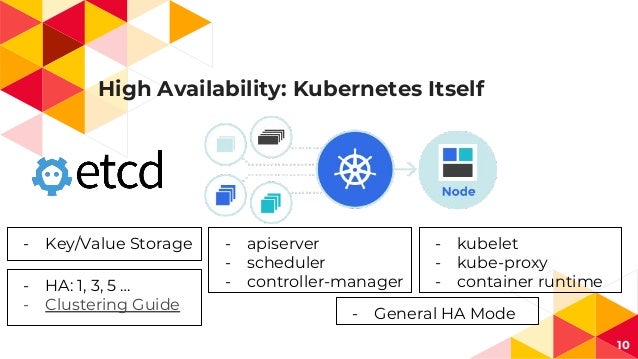
Kubernetes User Group: 維運 Kubernetes 的兩三事
Kubernetes Labels | Labels And Annotations In Kubernetes Label selectors are used for filter Kubernetes objects based on a set of labels. Selectors use a simple Boolean language. There are two kinds of selectors: Equality based and Set based. Equality based. Equality-based selectors allow filtering by label keys and values. Three kinds of operators are used: =, ==, != Example: If we wanted to list ...
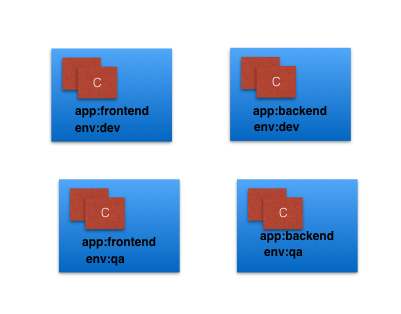
kubernetes-building-blocks - EdX-Kubernetes
Learn about pod labels and selectors - Civo.com Now, labels are defined in the metadata section. So there is a field called label and is the location where the labels are written. What are pod selectors? Now, another part where labels are used is the Selector Section. So there's a field called selectors in most of the Kubernetes objects, so they select on the basis of the labels. So, for ...

Kubernetes: An Overview - The New Stack
Labels and Selectors in Kubernetes
Post a Comment for "43 labels and selectors in kubernetes"